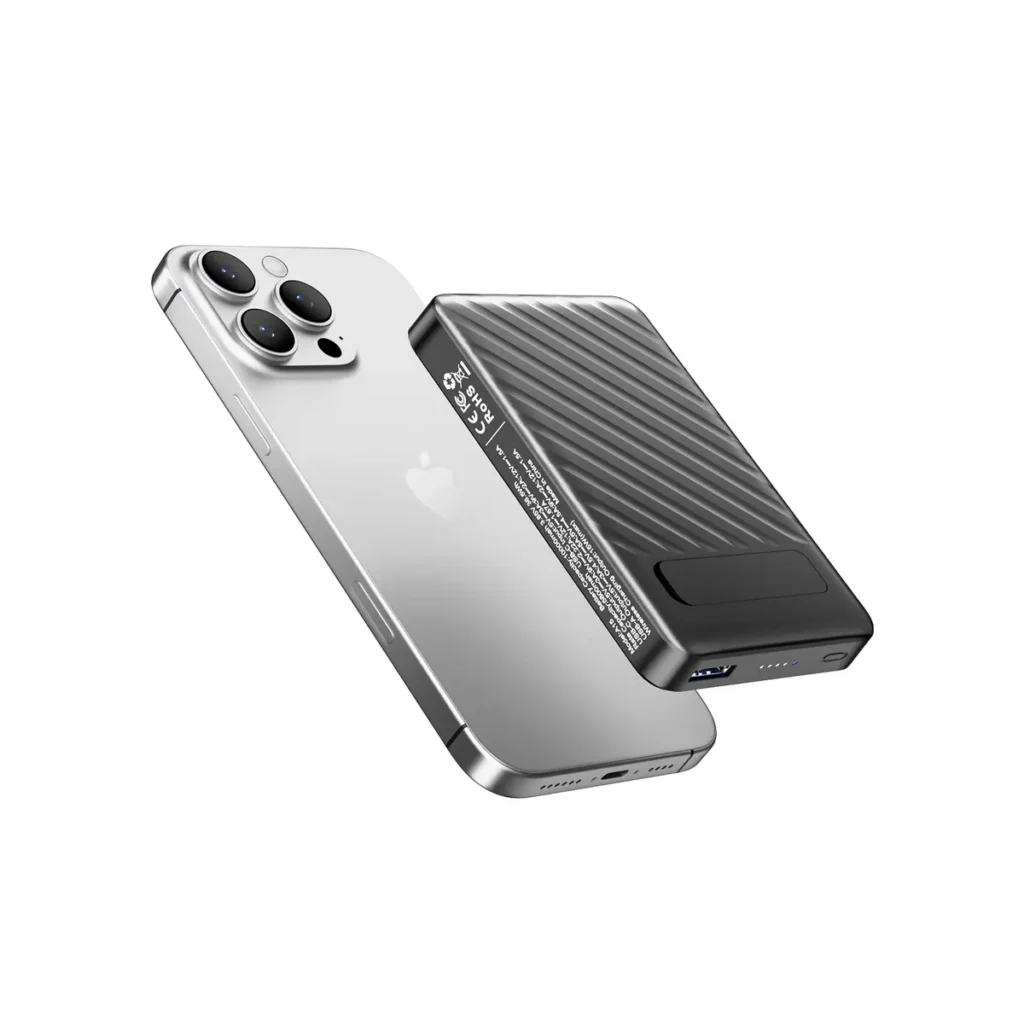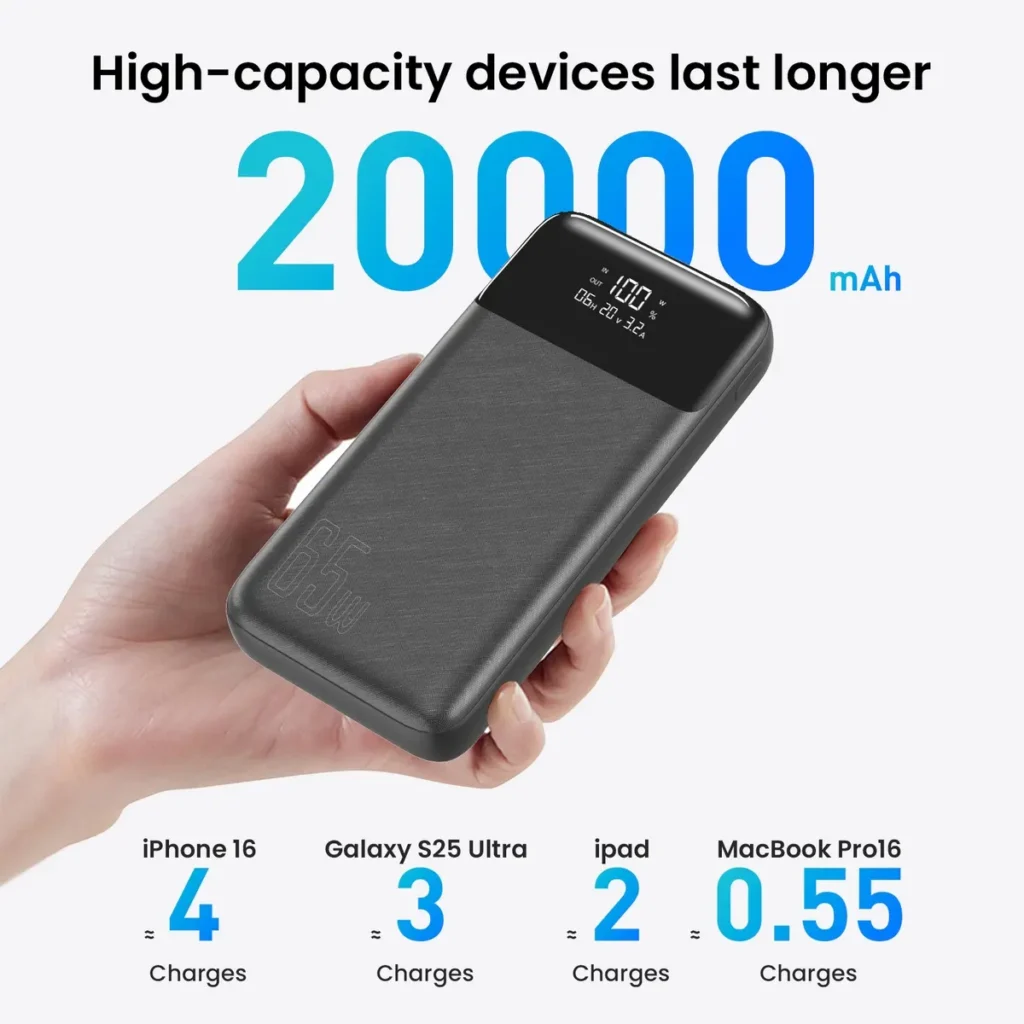
Many people have several “retired” power banks at home, often forgotten but still full of hidden reuse value.
As global sustainability efforts accelerate, the power bank industry is quietly moving toward a recycling revolution.
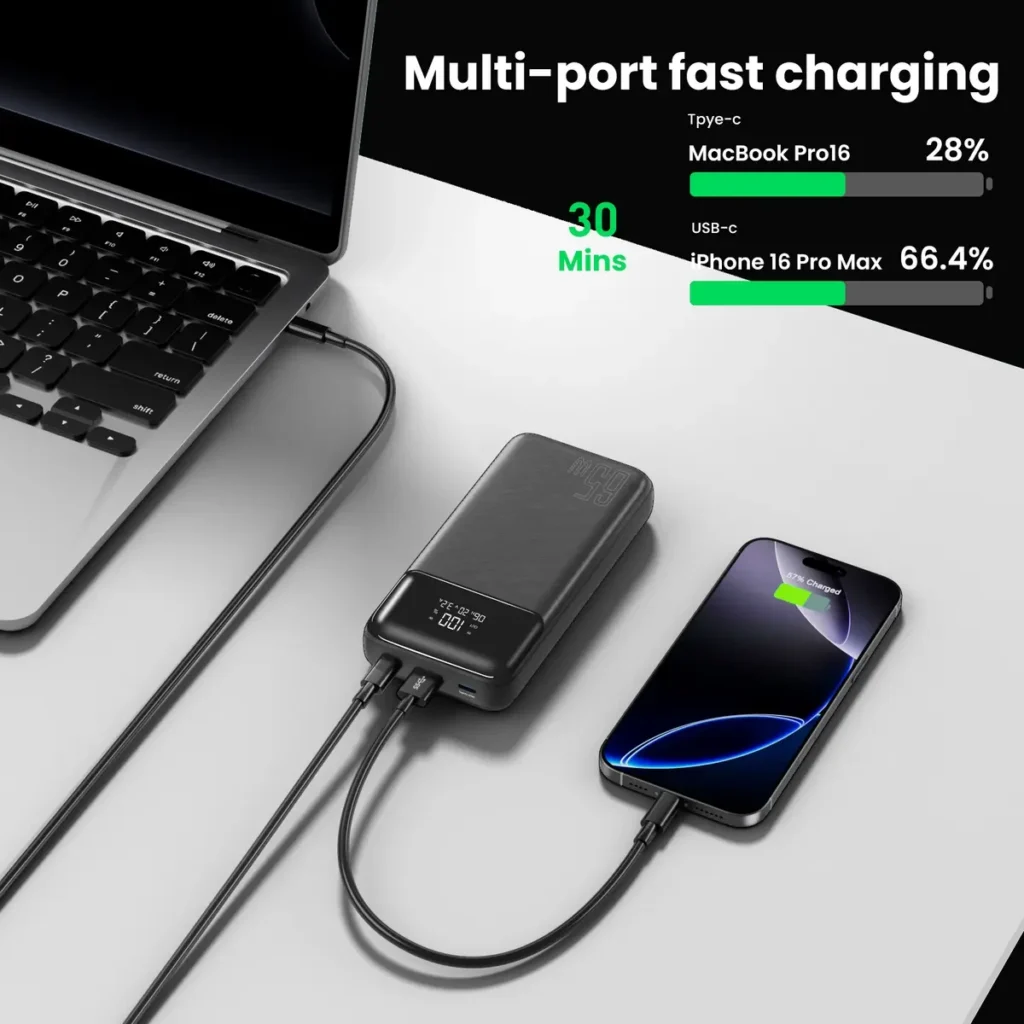
Why Power Banks Are a Hidden E-Waste Problem
Hundreds of millions of power banks are discarded worldwide every year, mainly made of lithium cells, plastics, and metals.
When improperly disposed of, these materials waste resources and pose serious environmental risks.
Lithium cells may leak or ignite, circuit board metals are hard to decompose, and plastic shells can take centuries to break down.
Despite their small size, power banks carry a surprisingly heavy environmental burden.
Why Recycling Power Banks Is So Difficult
Most users want to recycle, but they often lack clear recycling channels and standards, making it difficult for them to do so.
Compared to phones or laptops, power banks have diverse designs that make dismantling complex and costly.
Tightly bonded batteries and circuit boards increase the difficulty of recycling and limit traceability for reuse.
As a result, power banks often become the overlooked corner of electronic waste.
Green Design and Recycling Are Becoming the New Trend
Facing stricter environmental regulations, manufacturers are exploring more sustainable designs for power banks.
Examples include detachable structures, recyclable housing materials, and trade-in programs to encourage user participation.
Some companies now design power banks with recycling in mind from the start, creating a closed-loop product lifecycle.
The Recycling Revolution Goes Beyond Environmental Protection
A mature recycling system reduces pollution while creating a new resource recovery industry.
Recovered lithium cells can power low-energy devices, while plastics and metals re-enter manufacturing chains.
For brands, recycling is not only an environmental responsibility but also a long-term business opportunity.