Over the past two years, a quiet shift has been happening in the power bank market:
Power banks under 20W are slowly falling out of favor.
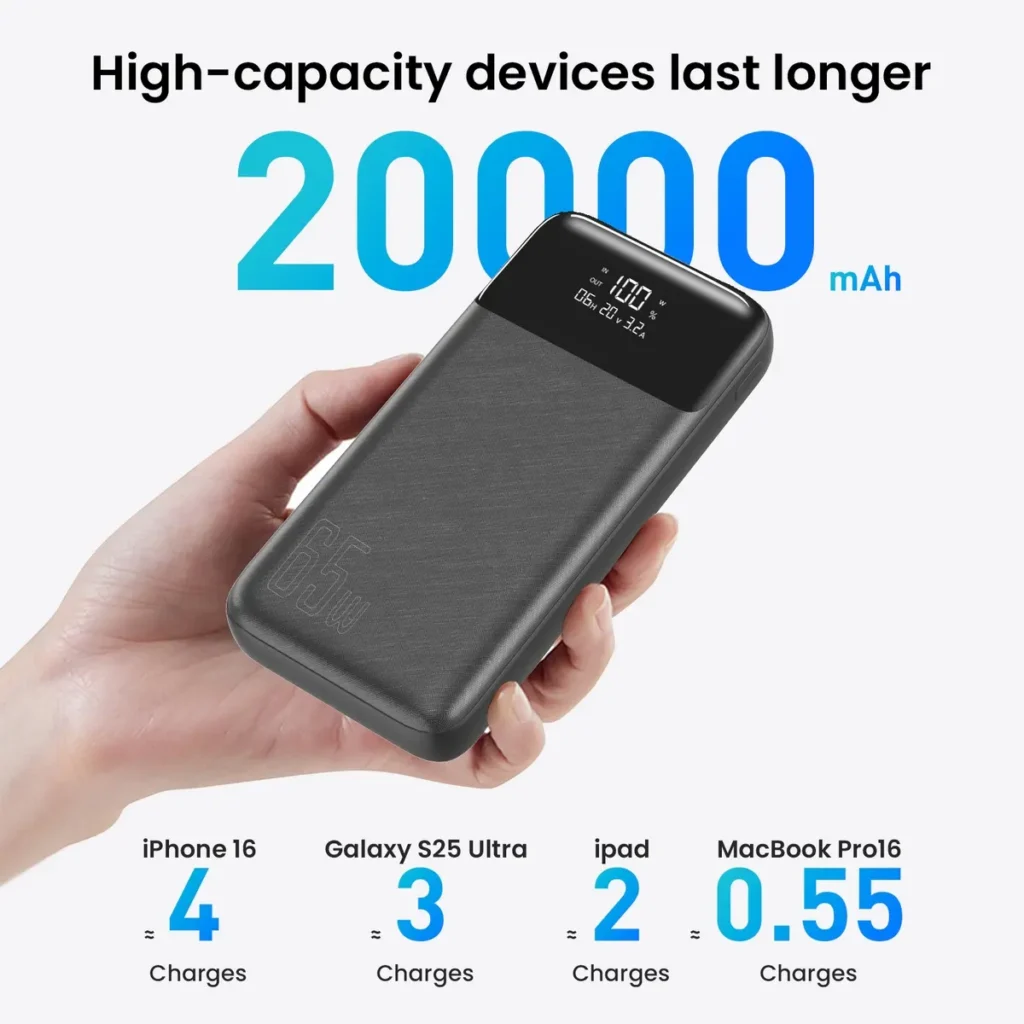
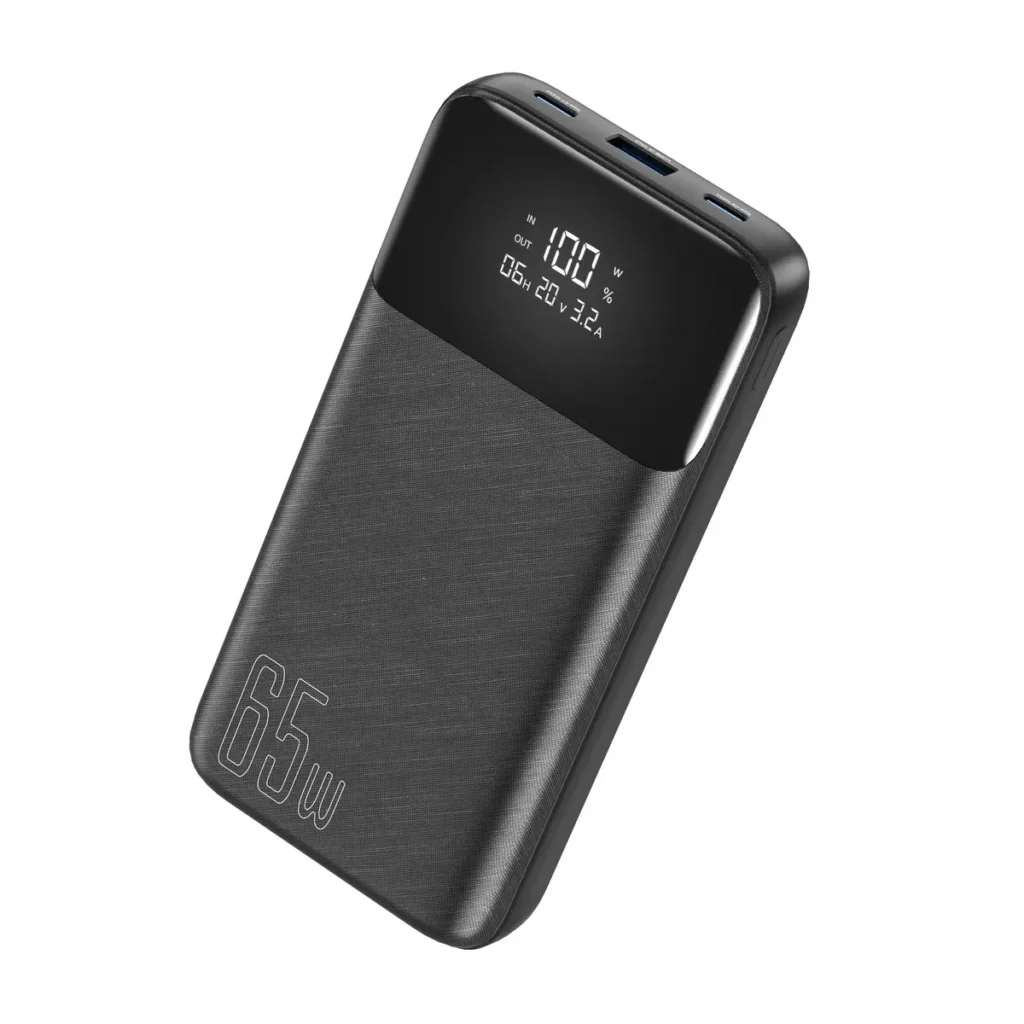
Instead, younger users are increasingly choosing 30W, 45W, even 65W fast-charging models.
This isn’t because low-power power banks don’t work anymore.
It’s because they no longer fit how young people live, move, and use their devices.
Behind this shift are three major trends—and a clear change in user mindset.
1. It’s Not About Battery Capacity—It’s About Time
Young people today live at a faster pace, and time has become the most valuable currency.
They’re constantly facing moments like:
Last-minute trips out the door
Short breaks between meetings or classes
Scrolling, watching videos, or replying to messages during lunch
Late-night work sessions that drain the phone unexpectedly
What this means:
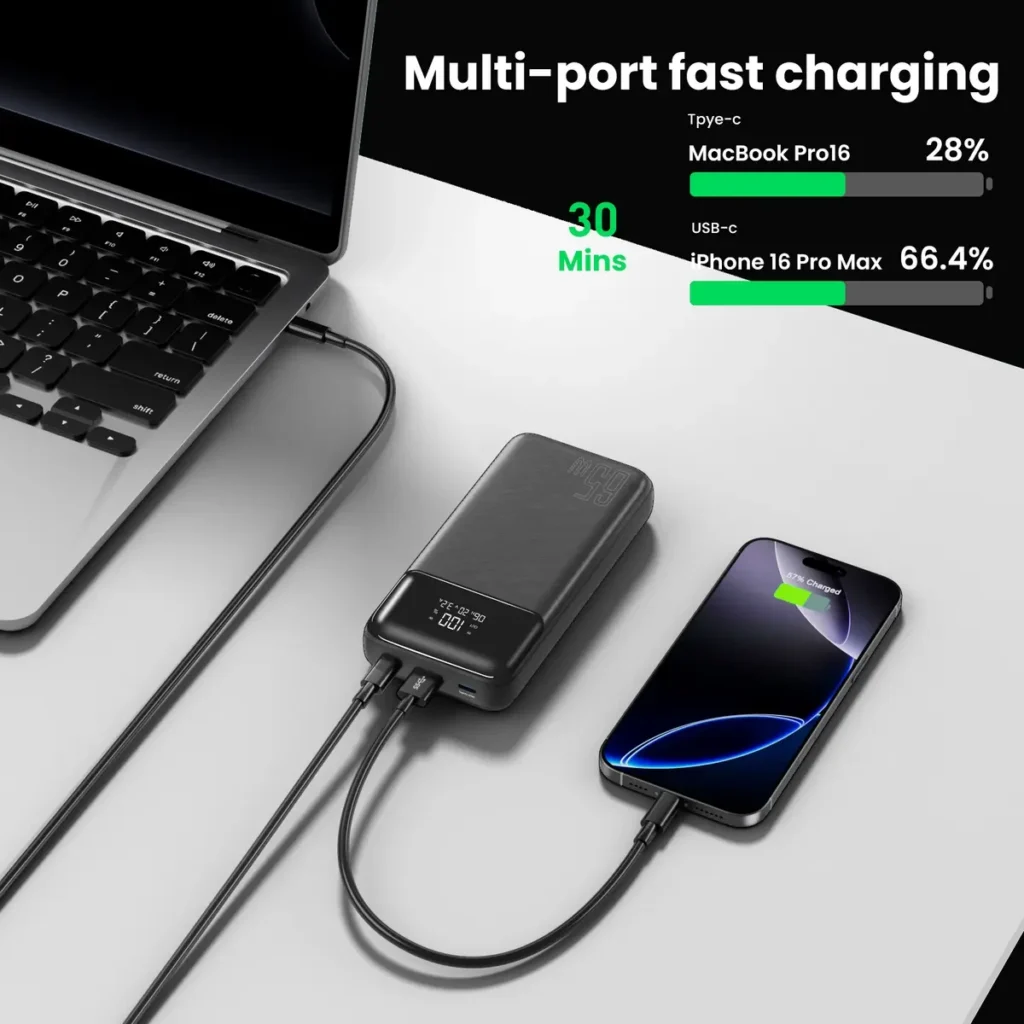
Users want noticeable battery gains in 20–30 minutes, not slow top-ups over hours.
In this context, low-power charging simply can’t keep up with real-world usage scenarios.
2. Device Upgrades Make Low Power Feel Like a Bottleneck
A few years ago, 10W or 12W charging was acceptable. Phones were slower, and expectations were lower.
Today, the ecosystem has changed:
Smartphones commonly support 27W / 33W / 45W fast charging
Tablets typically require 20–30W
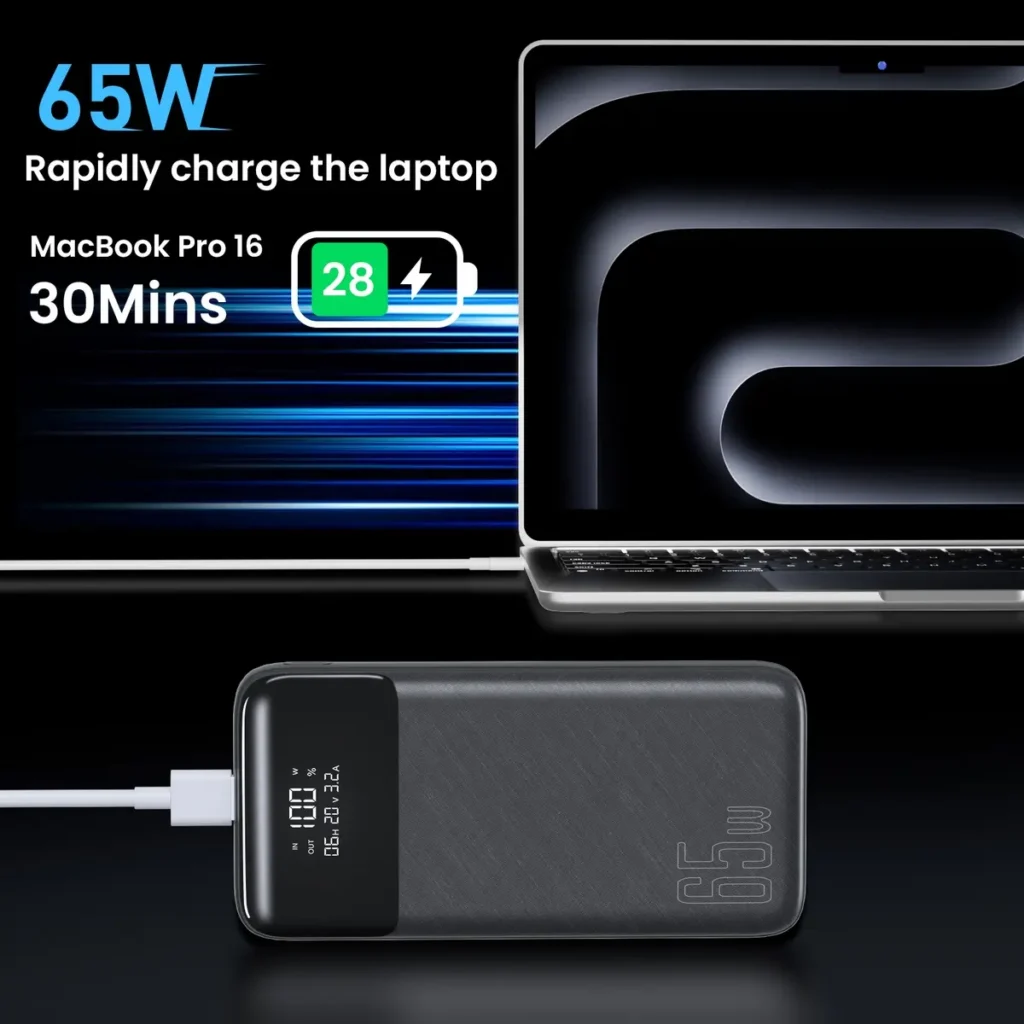
Laptops often need 30W+ just to maintain screen-on usage
When the main devices have upgraded, low-power power banks feel underpowered by comparison.
For young users, the logic is simple:
If my phone supports fast charging, why use a power bank that can’t unlock that performance?
3. The Definition of “Value for Money” Has Changed
Three years ago, high-power power banks were clearly more expensive.
Choosing 30W or 45W felt like stepping into a premium category.
That’s no longer the case.
Thanks to:
Mature supply chains
Lower chip and component costs
Scaled manufacturing
High-power models are now far more affordable.
As a result, consumers increasingly think:
If the price is similar, why not choose the faster one?
In this new pricing landscape, low-power products no longer feel cost-effective—they feel compromised.
4. Charging Anxiety Has Evolved
In the past, users worried mainly about running out of battery.
Today, the anxiety looks different:
No power means payment apps don’t work
No battery affects work communication
Travel moments can’t be captured
Urgent needs arise, but charging is too slow
So the expectation isn’t just “having power”—it’s:
Fast
Stable
Reliable
Ready when needed
Higher power charging delivers a stronger sense of security.
5. From Utility to Experience: A New Standard for Power Banks
Power banks are no longer just emergency tools.
For young users, they are experience products.
They care about:
Can the phone charge from 20% to 80% within two hours?
Does charging slow down when powering multiple devices?
Does the phone overheat while charging?
Can one power bank handle phone, tablet, and laptop?
As experience becomes the key differentiator:
30W is now seen as the minimum acceptable level
65W is emerging as the next mainstream trend
Low-power power banks, while functional, simply can’t compete on experience.
Final Thought
The decline of low-power power banks isn’t about technology failure—it’s about lifestyle mismatch.
Young consumers are choosing:
Speed over patience
Flexibility over limitation
Experience over basic functionality
And in that new reality, higher-power charging isn’t a luxury—it’s the new baseline.